
Published November 11, 2026
Preparing your Norther MN Home for Winter

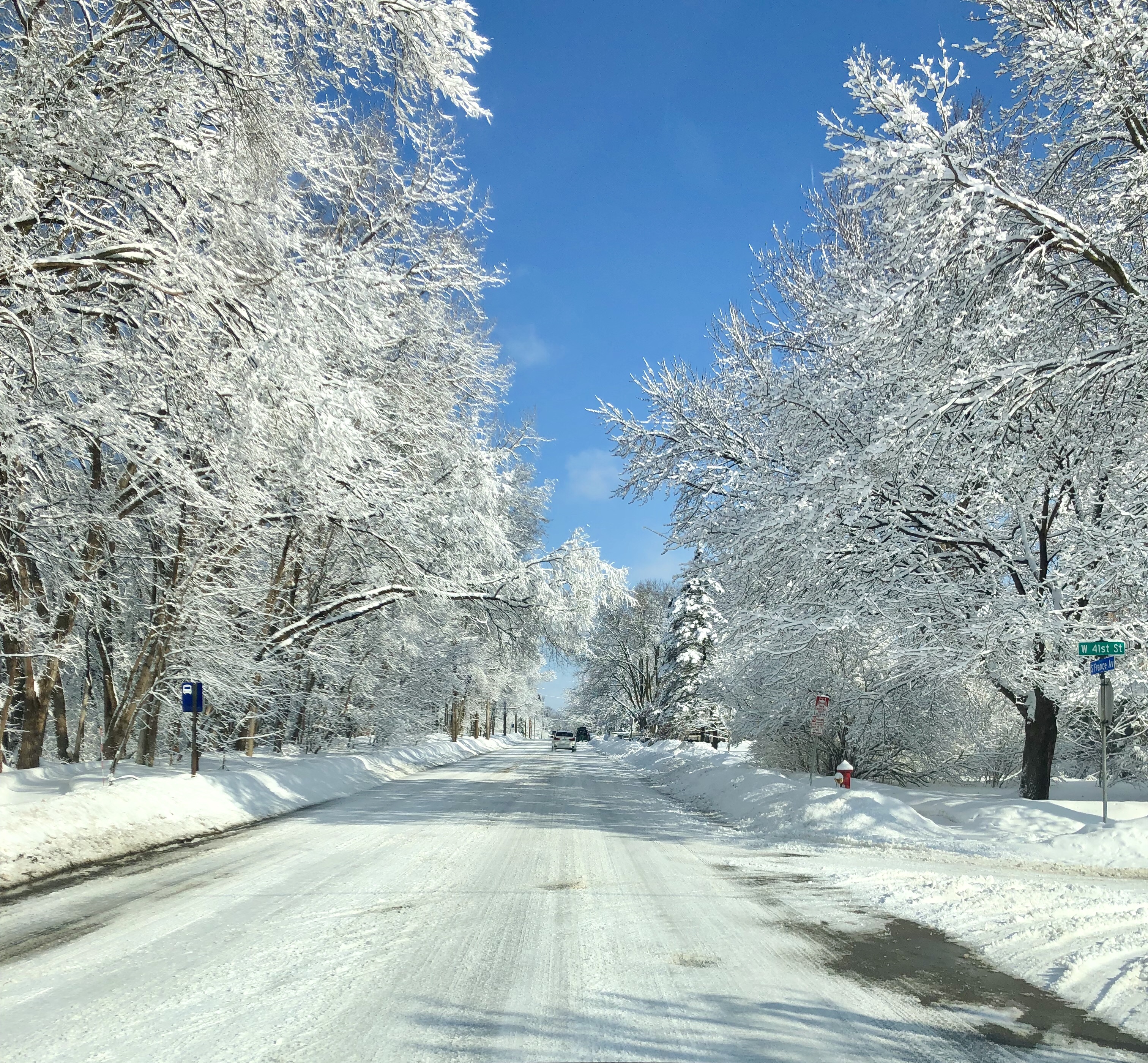
Preparing Your Northern Minnesota Home for Winter: A Homeowner's Checklist
If you live in Northern Minnesota, you know winter doesn't mess around! Between freezing temperatures, heavy snowfall, icy conditions, and long stretches of below-zero weather, preparing your home for winter is about more than just bringing out the snow shovel.
Whether you're a longtime homeowner or new to the Northland, taking time to winterize your home can help prevent costly repairs, improve energy efficiency, and keep your family comfortable all season long.
Before the temperatures really start to drop, work through this Northern Minnesota homeowner's winter checklist.
1. Protect Your Pipes from Freezing
Frozen pipes are one of the most common and expensive winter headaches for homeowners in Minnesota.
A few preventative steps can make a big difference:
- Insulate exposed pipes in basements, crawl spaces, garages, and other unheated areas.
- Disconnect and drain all outdoor garden hoses.
- Shut off and drain exterior water spigots if your plumbing allows.
- Seal gaps or cracks near plumbing where cold air can enter.
- Keep cabinet doors open beneath sinks located along exterior walls during extreme cold.
- Know where your main water shutoff valve is located in case a pipe freezes or bursts.
Northern Minnesota tip: If you have a cabin, seasonal property, or home that will be vacant for an extended period, make a plan for winterizing the plumbing system. Depending on the property, this may involve draining the plumbing and arranging for periodic property checks.
2. Schedule a Furnace and Heating System Checkup
Your heating system works overtime during a Northern Minnesota winter. The last thing you want is for your furnace to quit working during a January cold snap.
Before winter arrives:
- Schedule a professional furnace inspection and tune-up.
- Replace or clean your furnace filter according to the manufacturer's recommendations.
- Check that all heating vents and returns are unobstructed.
- Test your thermostat and consider upgrading to a programmable or smart thermostat.
- Make sure fireplaces and wood-burning stoves are inspected and cleaned as appropriate.
- Check that your carbon monoxide detectors are working properly.
If you rely on propane, heating oil, or wood for heat, make sure you have an adequate supply before winter weather makes deliveries more difficult.
3. Seal Windows and Doors to Keep the Cold Out
Drafty windows and doors can make your home uncomfortable and drive up heating costs.
Take a walk around your home and look for areas where cold air might be sneaking in.
- Inspect weatherstripping around exterior doors.
- Replace cracked or worn caulking around windows.
- Install window insulation kits if needed.
- Use draft stoppers on doors that let cold air in.
- Check attic hatches and basement windows for air leaks.
Even small improvements can help your home stay warmer while reducing energy waste.
4. Clean Gutters and Inspect Your Roof
Heavy snow and ice can put additional stress on your roof and drainage systems.
Before the first major snowfall:
- Clean leaves, sticks, and debris from gutters.
- Make sure downspouts direct water away from your foundation.
- Inspect shingles for damage or missing sections.
- Look for signs of previous ice dams or water intrusion.
- Trim branches that hang over your roof or could fall during a winter storm.
Ice dams can cause water to back up beneath shingles and leak into your home. Proper attic insulation and ventilation can help reduce the risk.
For roof damage or concerns about ice dams, consider having a qualified roofing professional inspect the property.
5. Prepare Your Driveway and Outdoor Spaces
Snow removal is simply part of life in Northern Minnesota. Getting your outdoor spaces ready ahead of time can make winter much easier.
- Service your snowblower and make sure it starts properly.
- Stock up on ice melt, sand, or other traction products.
- Check snow shovels for damage.
- Mark driveway edges, sidewalks, and landscaping with snow stakes.
- Move patio furniture, grills, and outdoor decorations into storage.
- Drain and store garden hoses.
- Secure outdoor items that could be damaged by strong winter winds.
If you have a long driveway or rural property, make sure your snow removal equipment is ready before the first big storm.
6. Check Your Insulation and Attic Ventilation
Proper insulation is especially important in a climate like Northern Minnesota's.
Your attic plays a major role in keeping warm air inside your home and preventing ice dams.
Consider checking:
- Whether your attic insulation meets current recommendations.
- Whether insulation is evenly distributed.
- Whether attic vents are clear and functioning properly.
- Whether there are visible signs of moisture, mold, or condensation.
- Whether the attic hatch is properly insulated and sealed.
If your home has an older roof or insulation system, an energy assessment may help identify areas where improvements could save money over time.
7. Test Smoke and Carbon Monoxide Detectors
With windows closed and heating systems running throughout the winter, indoor safety is especially important.
Before winter:
- Test every smoke detector.
- Test carbon monoxide detectors.
- Replace batteries as needed.
- Make sure detectors are installed in appropriate locations according to manufacturer instructions and local requirements.
- Review your family's emergency plan.
If you use a fireplace, wood stove, or other fuel-burning appliance, carbon monoxide safety should be a priority.
8. Prepare for Winter Power Outages
Winter storms can bring heavy snow, ice, and strong winds that may cause power outages.
A little preparation can make a big difference.
Keep these items accessible:
- Flashlights and extra batteries.
- A battery-powered or hand-crank radio.
- Extra blankets and warm clothing.
- Bottled water and nonperishable food.
- A fully stocked first-aid kit.
- Portable phone chargers.
- An emergency heating plan.
If you have a generator, make sure it is serviced and operated outdoors, well away from doors, windows, and vents to prevent carbon monoxide exposure.
9. Don't Forget Your Garage and Basement
These areas are easy to overlook but can create problems during freezing weather.
Before winter:
- Check garage door weatherstripping.
- Insulate exposed plumbing in garages.
- Store chemicals and liquids according to their temperature requirements.
- Move items away from basement floor drains.
- Check your sump pump and discharge line.
- Make sure basement windows are properly sealed.
- Store outdoor equipment and tools safely.
If you have a sump pump, make sure the discharge line is protected against freezing and that water can drain away from your foundation.
10. Create a Winter Home Maintenance Schedule
Winter preparation isn't a one-and-done project. A few regular maintenance tasks throughout the season can help prevent bigger problems.
Here's a simple schedule to follow:
Monthly:
- Check furnace filters.
- Test smoke and carbon monoxide detectors.
- Check for drafts around windows and doors.
- Inspect basement areas for moisture or leaks.
After major snowstorms:
- Clear snow from walkways and entrances.
- Check for excessive snow accumulation on your roof.
- Clear snow away from dryer, furnace, and other exterior exhaust vents.
- Check for ice buildup around gutters and downspouts.
Throughout the winter:
- Keep indoor temperatures consistent, especially during extreme cold.
- Monitor vacant properties.
- Watch for signs of frozen pipes or water leaks.
- Keep an eye on your heating fuel supply.
Ready for Winter? Your Home Will Thank You!
Owning a home in Northern Minnesota comes with plenty of perks, from beautiful fall colors to snowy winter landscapes and everything in between. But being prepared for the colder months is an important part of protecting your investment.
A little maintenance now can help you avoid unexpected repairs, improve your home's efficiency, and enjoy a more comfortable winter.
Whether you're already a homeowner, thinking about purchasing your first home, or considering selling, having the right local real estate resources makes a difference.
Thinking about buying or selling a home in Northern Minnesota? Our team is here to help you navigate the local real estate market, answer your questions, and help you find your PLACE.
 Learn More About Thrive Realty – BIG LIFE TEAM
 See what your home is worth on our Website
 Read Our Reviews
 Meet Our Team
Follow Us on Facebook:
• Big Life Team Iron Range Real Estate
• Big Life Team Duluth & NW Wisconsin Area Real Estate
or another way